De acties van Trump veroorzaken steeds meer verstoringen in de internationale relaties. Dat gaat zich doen voelen in het verkrijgen van belangrijke grondstoffen, zoals onder andere rare earth metalen.
China is de grote exporteur en die heeft al beperkingen van de export bekend gemaakt.
In andere landen komen nu dus bedrijven op de markt die ook bepaalde rare earth metalen kunnen (gaan) leveren.
Het blad Resource World heeft een artikel gepubliceerd over een aandeel dat ik heb, namelijk Commerce Resources Corp.
Die bezitten de Ashram Rare Earth Deposit en dat lijkt een interessant bezit te zijn zolang China beperkingen op de uitvoer van de rare earth metalen handhaaft.
Het punt is namelijk, China kan veel goedkoper leveren dan wie dan ook. Zodra China de metalen dus weer op de markt brengt, dan zullen de andere producenten zien dat de kopers weer snel naar China gaan uitwijken.
Geen lekkere fundering onder je bedrijfsmodel…
Wees dus voorzichtig met beleggingen in deze hoek, want er zijn grote risico’s.

bezit
This Measure of Stock Market Interest Far Surpasses 1987 & 1929 (EWI)
This Measure of Stock Market Interest Far Surpasses 1987 & 1929
“More than half of U.S. households have been in the market for a generation”
By Elliott Wave International
A lot of people think that it’s perfectly normal to participate in the stock market — you know, like getting a drink of water or — breathing.
We here at Elliott Wave International call this the “equity culture” and it’s been going strong for a good many years now.
It’s difficult for many people to remember that it’s not always been thus.
Yet there’s been significant stretches of time when the populace at large wouldn’t touch stocks with the proverbial ten-foot pole — the years following the historic 1929 crash being a prime example.
Even at the top of the market in 1929, pollster Al Sindlinger estimated that only 20% of U.S. households participated in the stock market — based on interviews conducted in 1939. At the market top in 1987, the percentage of households in the market was 36%.
With this perspective, here’s a chart and commentary from the February Elliott Wave Financial Forecast which you may find interesting (the Elliott Wave Financial Forecast is a monthly publication which offers analysis and forecasts for major U.S. financial markets):

The percentage of stock holdings by U.S. households hit an all-time high of 58% at the end of 2022. The analysis in the Fed’s Survey of Consumer Finances lags by 11 months. Given the market’s recent rally, the 2023 figure is likely to be even higher. … Thanks to the Grand Supercycle degree of the bull market, more than half of U.S. households have been in the market for a generation.
And here in early 2024, the optimistic financial sentiment persists. Indeed, here’s a Jan. 16 Barron’s headline:
Investing In U.S. Stocks Still Makes Sense Despite High Valuations
And, on Jan. 18, the view of the CEO of one of the world’s largest money management firms was reflected in this headline (Seeking Alpha):
“Animal spirits” will stir the markets again in 2024
Only time will tell how the remainder of the year will play out, yet keep in mind that optimistic attitudes toward the stock market are unlikely to go on indefinitely. Another historic shift is all but inevitable.
Our analysis reveals what this shift may very well look like — so you can prepare.
As you might imagine, Elliott Wave International’s primary way of analyzing financial markets is employing the Elliott wave method.
The definitive text on the Elliott wave method is Frost & Prechter’s Wall Street classic, Elliott Wave Principle: Key to Market Behavior. Here’s a quote from the book:
The Wave Principle often indicates in advance the relative magnitude of the next period of market progress or regress. Living in harmony with those trends can make the difference between success and failure in financial affairs.
All that’s required for free access to the online version of the book is a Club EWI membership. Club EWI is the world’s largest Elliott wave educational community (about 500,000 members and growing rapidly) and is free to join.
Just follow this link and you can have the book on your computer screen in moments: Elliott Wave Principle: Key to Market Behavior — get free and unlimited access.
This article was syndicated by Elliott Wave International and was originally published under the headline This Measure of Stock Market Interest Far Surpasses 1987 & 1929. EWI is the world’s largest market forecasting firm. Its staff of full-time analysts led by Chartered Market Technician Robert Prechter provides 24-hour-a-day market analysis to institutional and private investors around the world.
Stel even dat je een vastgoed investeringsfolder aanbieding in de bus hebt gekregen.
Enkele lezers overkwam dat afgelopen week.
Belangrijk is om na te gaan waar de beoogde winsten van het initiatief vandaan komen.
Helaas blijkt maar al te vaak dat voorgespiegelde rendementen van vaak tussen de 5 en 12% niet gehaald worden. De reden is dat uiteindelijk heel het verhaal alleen maar winstgevend wordt als het onroerend goed zelf heel veel meer waard wordt.
De kosten van het beleggingsfonds zijn namelijk veel te hoog. De beheerders romen te veel geld af.
Het rendement op vastgoed in Nederland is nu gemiddeld 3,5% netto.
Als ze dus meer voorspiegelen, dan moet dat een reden hebben. Of ze kunnen (aantoonbaar) met korting kopen, of ze houden rekening met (enorme) waardevermeerderingen in de toekomst. We weten dat het op huizen de laatste jaren gelukt is, maar realiseer je dat commercieel vastgoed, kantoren en winkels, NIET in waarde stegen. Zit je beleggingsfonds daar in, dan kan je als belegger in vastgoed bijna zeker een waardeloos rendement tegemoet zien. Mogelijk zelfs dat je (een deel van) je inleg niet eens meer terug gaat zien.
In de folder zal je niet snel een eerlijke berekening aantreffen, maar in de prospectus moet wel ergens vermeld staan hoe men tot de geprognosticeerde winsten komt. Bij twijfel niet inhalen is mijn devies.
Vraag je af of je écht wel mede-eigenaar wil worden. Waarom niet alleen 6 tot 8% rente trekken? Dat is veel veiliger.
Dat kan via Matching Capital.
Hoe ‘erg’ is het dat bitcoin niet totaal anoniem is?
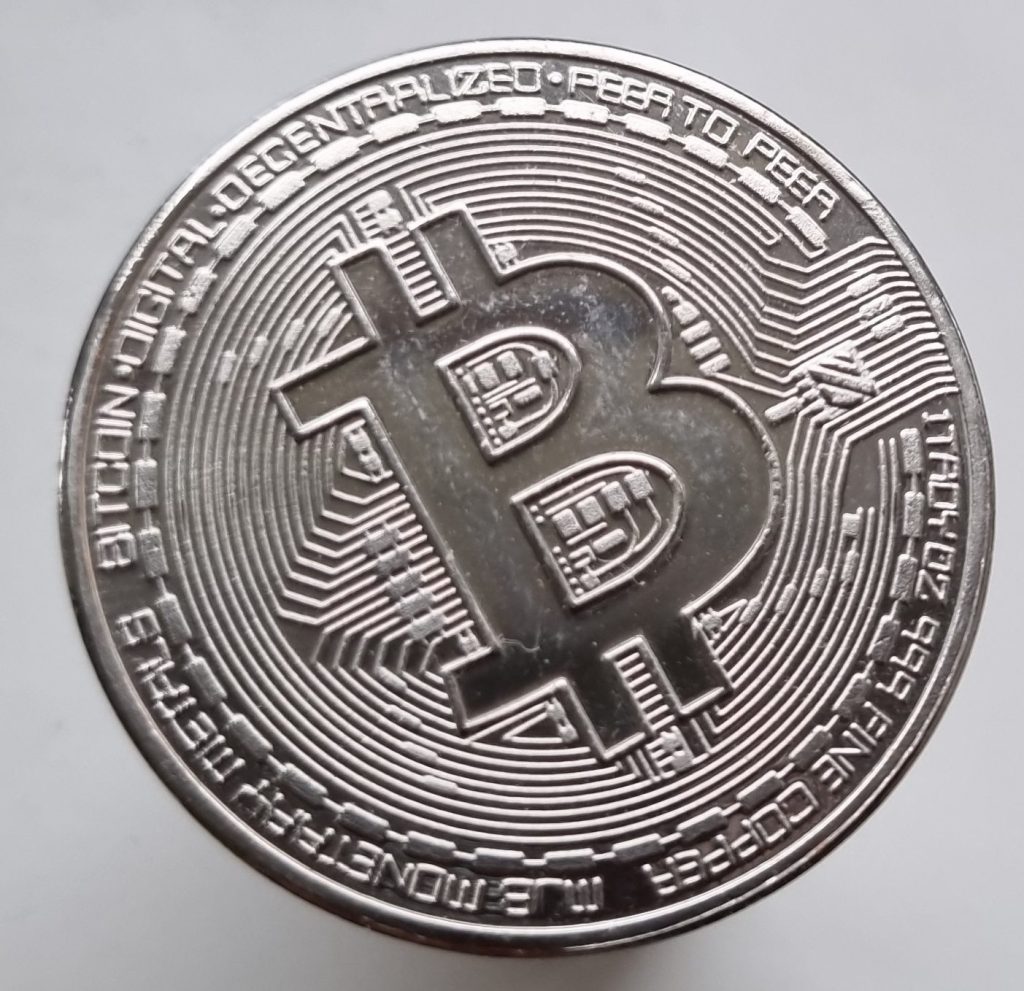
Bij de belastingdienst willen ze graag weten wat je bezit. Nu zal het bezit van één bitcoin voor u niet snel tot een probleem met de belastingdienst leiden, maar wie jaren geleden 100 bitcoins kocht en deze nog altijd heeft, heeft ondertussen een bedrag van bijna vier ton aan bitcoins in bezit.
Volgens Oxfam Novib bezitten de rijkste 62 personen samen net zo veel als de armste 50% van de wereldbevolking. Ik weet vrijwel zeker dat ze in hun berekening geen enkele Rothschild mee hebben gewogen…
Hadden we vroeger een boekenkast vol mooie boeken en een anders kast vol met LP’s en later CD’s, tegenwoordig zetten we veel van dat ‘eigendom’ in een computer. MP3, PDF, e-boek, een simpele crash van de harde schrijf en voor duizenden euro’s aan eigendom is verloren.